
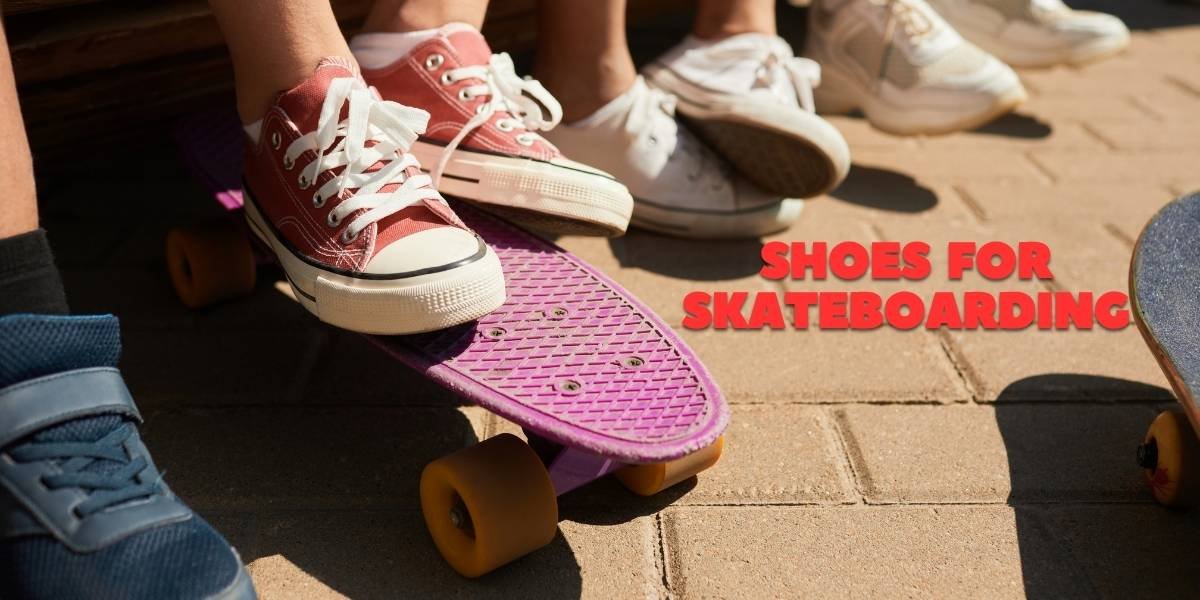
You’ve probably watched a clip of Louie Lopez absolutely destroying a marble ledge and noticed he’s wearing Converse. Or maybe you already own a pair of Chucks and you’re wondering if you can just skate in them before spending money on “real” skate shoes. Either way, the question of whether Converse shoes are good for skateboarding deserves a straight answer, not a corporate yes wrapped in marketing language.
Here’s the truth: some Converse shoes are genuinely excellent for skating. Others will blow out in a week. The difference is knowing which model you’re looking at.
This guide breaks it all down from the classic Chuck Taylor to the latest CONS pro models so you can make the right call without wasting money on the wrong pair.
- Regular Chuck Taylor All Stars can work for casual skating, but their thin canvas uppers shred fast and the cushioning is minimal
- Converse CONS is a dedicated skate line with reinforced uppers, proper cushioning, and pro model tech these are genuinely good skate shoes
- The CTAS Pro, One Star Pro, Louie Lopez Pro 2, and AS-1 Pro are the four models worth knowing about
- For street skating and technical tricks, go with suede over canvas; it lasts dramatically longer
- If you’re skating stairs, big gaps, or heavy landings regularly, consider a cupsole option like the Louie Lopez Pro 2 over a pure vulcanized model
Are Converse Shoes Good for Skateboarding?
Yes, but the right answer is “it depends on which Converse.” The CONS skate line, developed specifically for skateboarding, includes genuinely performance-grade shoes with reinforced materials, CONS Traction Rubber soles, and proper impact cushioning. Regular Chuck Taylors are a different story. They can get you through a session, but they were not built for skating and they’ll show it fast.
The brand has been part of skate culture since the 1960s, when skaters naturally gravitated toward the flat rubber sole of Chuck Taylors for board feel. Converse officially launched CONS as a dedicated skate program in 2009, building purpose-made shoes around a team of real pros. That’s the line you want to be looking at.
What’s the Difference Between Regular Converse and Converse CONS?
This is the question none of the other articles actually answer clearly, and it’s the most important one.
Regular Converse (your classic Chuck Taylor, Chuck 70, etc.) is a lifestyle shoe. It has a thin canvas or cotton upper, minimal padding, and a rubber sole that was designed for basketball courts in the 1920s. It works fine for cruising and short sessions. But the canvas upper has almost no resistance to grip tape abrasion; it’ll start blowing through in the ollie zone within a few weeks of regular skating.
Converse CONS is an entirely separate line engineered for skateboarding. The differences matter:
|
Feature |
Regular Chuck Taylor |
Converse CONS Pro Models |
|
Upper material |
Canvas or cotton |
Suede or rubber-backed suede |
|
Sole compound |
Standard vulcanized rubber |
CONS Traction Rubber (70% more grip tape traction) |
|
Cushioning |
Minimal |
CX foam sockliner, some models have Zoom Air |
|
Reinforcement |
None |
Rubber-backed overlays on high-wear zones |
|
Board feel |
Good (thin sole) |
Very good to excellent |
|
Durability |
Low for skating |
Moderate to high |
|
Price |
$55–$80 |
$70–$95 |
The CONS Traction Rubber compound is the key technical upgrade. Converse updated their classic vulcanized rubber formula specifically to increase grip tape traction. Independent testing cited by retailers shows 70% improved grip tape adhesion compared to the standard sole. That translates to more consistent flip tricks and less foot slippage mid-pop.
Are Chuck Taylors Good for Skateboarding?
Chuck Taylors can work for skateboarding, but they come with real trade-offs. Their flat sole gives excellent board feel you can feel every edge of the deck clearly, which helps with flip tricks. The low profile keeps you close to the board. And honestly, the look is unbeatable.
The problem is durability. Canvas uppers and grip tape are a bad combination. The grip tape acts like sandpaper on the canvas, and the ollie zone (the inner side of your shoe’s big toe area) will start thinning out fast. A serious skater doing daily sessions might blow through canvas Chucks in two to three weeks.
If you want to skate in the Chuck silhouette, the CTAS Pro (Chuck Taylor All Star Pro) is the right move. It keeps the same look but upgrades the upper to rubber-backed suede, adds the CONS Traction Rubber sole, and includes a proper insole. It’s the Chuck Taylor made to actually skate in.
Which Converse CONS Models Are Actually Worth Skating?
Here’s the model breakdown that no other article gives you:
Converse CTAS Pro (Chuck Taylor All Star Pro)
The CTAS Pro is the bridge between the iconic Chuck look and a real skate shoe. It’s vulcanized construction with rubber-backed suede, which means excellent board feels and much better durability than canvas. If you love the classic high-top silhouette and want to actually skate it, this is your shoe. Best for street skating, flatground tricks, and transition.
Converse One Star Pro
The One Star has been a skate shoe since the 1990s. The Pro version uses the same CONS Traction Rubber and suede upper setup. It’s a lower-profile silhouette than the Chuck, which some skaters prefer for the cleaner look. Good all-rounder for street skating.
Converse Louie Lopez Pro 2
This is CONS’s current technical flagship. The Louie Lopez Pro 2 uses a thin cupsole design with a CX foam insole, making it better suited for skaters who hit stairs, gaps, and harder impacts. Louie Lopez is one of the most technically precise street skaters alive right now. He dropped three acclaimed video parts in a single year and his shoe reflects that. It fits true to size (unlike most Converse which run small). Exceptional board feels for a cupsole shoe.
The Louie Lopez Pro 2 uses a Chuck Taylor-inspired outsole traction pattern, which gives it that familiar Converse flick response even though it’s a cupsole. If you’ve been skating Chucks and want to upgrade without losing that feel, this is the model to go to.
Converse AS-1 Pro (Alexis Sablone Signature)
Designed by pro skater and architect Alexis Sablone, the AS-1 Pro is CONS’s most innovative performance shoe. It has a clean, low-profile silhouette and has been praised for comfort, durability, and a strong board feel right out of the box. Sablone is one of the most respected technical skaters in the sport, so this shoe is built for precision, not just hype. Great for flatground and technical street skating.
Are Converse Good Skateboarding Shoes for Beginners?
For beginners, Converse CONS are actually a solid choice — maybe better than you’d expect. Here’s why:
Vulcanized construction (which most CONS models use) gives beginners a strong board feel. When you’re learning to ollie or kickflip, feeling exactly where your foot is on the deck matters. Thick cupsole shoes can mask that feedback and slow down your learning.
Converse CONS also break in very quickly. Multiple wear testers have noted that the Louie Lopez Pro felt like a broken-in shoe from the first session. For a beginner who’s going to be skating inconsistently, that matters, you don’t want to dread putting on stiff shoes.
The one caveat: if you’re a beginner who’s mostly learning by jumping off curbs and small stair sets, the impact protection on pure vulcanized models is limited. In that case, the Louie Lopez Pro 2 (with its thin cupsole) is worth the slight premium.
Converse vs Vans for Skateboarding: Which Is Better?
This is probably the most common comparison, and the honest answer is that they’re closer than people think.
Both brands are rooted in vulcanized construction. Both have strong skate credibility. Both have a dedicated pro skate line (CONS vs Vans Pro Skate). The real differences come down to fit, feel, and silhouette preference.
Vans has a longer continuous history in skateboarding — the Old Skool and Half Cab have been skate staples since the 1970s and 1980s respectively. Vans vulcanized soles are known for their foxing tape construction (double-wrapped rubber reinforcement around the sole edge), which adds durability in the high-wear areas.
Converse CONS tends to run narrower than Vans, which some skaters love for a snug, locked-in feel on the board. The CONS Traction Rubber formula is a genuine technical upgrade over the standard rubber Vans uses. If you have wider feet, size up or try Vans first.
Bottom line: if you’re a flip-trick skater who loves the Chuck aesthetic, CONS. If you skate everything and want maximum versatility, Vans Old Skool Pro is hard to beat. Neither is objectively better, it’s foot shape and personal preference.
|
Point |
Converse CONS |
Vans Pro Skate |
|
Sole construction |
Vulcanized (most models) |
Vulcanized |
|
Board feel |
Excellent |
Excellent |
|
Durability |
Good |
Good to very good |
|
Fit |
Narrower |
Medium to wide |
|
Sizing |
Runs small (most models) |
True to size |
|
Skate culture history |
Deep (1960s) |
Deeper (1970s) |
|
Price range |
$60–$95 |
$65–$100 |
Canvas vs Suede Converse: Which Holds Up Better for Skating?
This is where most articles give vague advice. Here’s the real breakdown:
Canvas Converse will look great on day one and start deteriorating by week two if you’re skating regularly. Grip tape is essentially sandpaper, and canvas has almost no resistance to it. The toe area blows first, then the sides. Some skaters embrace the beat-up look, but if you’re spending $70+ on shoes, you want them to last.
Suede Converse (CTAS Pro, One Star Pro, Louie Lopez Pro, AS-1 Pro) lasts significantly longer. Suede has a tighter, more abrasion-resistant fiber structure than canvas. The rubber backing on CONS suede uppers adds another layer of protection specifically in the ollie and flick zones.
If you’re skating more than two or three sessions a week, suede is not optional — it’s the smarter choice. The canvas models are better suited to casual riders who skate less frequently and are more focused on the aesthetic.
Do Professional Skaters Wear Converse?
Yes, and not just as a fashion statement. The CONS team includes some of the most respected technical street skaters working today.
Louie Lopez has been a CONS rider for years and has a signature model. He’s regularly considered one of the best street skaters on the planet, known for technical precision at full speed. The fact that he chooses to skate in CONS (and has collaborated on the design of his pro model) is a genuine endorsement.
Alexis Sablone, who designed the AS-1 Pro, is a two-time X Games gold medalist, an architect, and one of the most creative skaters in the sport. Her involvement in the design process is not cosmetic — the AS-1 Pro reflects real performance requirements she developed through thousands of hours on a board.
Milton Martinez, another CONS team rider, is known for one of the most audacious and athletic skating styles in modern skateboarding. These aren’t lifestyle ambassadors — they’re active pros who skate hard, and the shoes perform at that level.
Are Converse Skateboarding Shoes Durable Enough for Heavy Skating?
For regular street skating and technical flatground, yes — especially in suede. For heavy gap and stair skating, the answer gets more nuanced.
Pure vulcanized models like the CTAS Pro and One Star Pro offer limited cushioning by design. That’s the trade-off with vulcanized construction: you get excellent board feel, but the impact absorption is lower than a cupsole. Heel bruising (a real and painful problem for skaters who jump down large drops) is more likely in a thin vulcanized shoe.
The Louie Lopez Pro 2 addresses this with its thin cupsole design and CX foam insole. It sits between pure vulcanized and heavy cupsole — better protection than a flat vulc, better board feel than a chunky cupsole like a Nike SB Dunk.
If you’re regularly skating 8-stair rails or jumping 10-foot gaps, you’d want a more heavily cushioned cupsole like the Nike SB Air Max Ishod or an Emerica Reynolds. That’s not a knock on CONS, it’s just being honest about what each shoe is built for.
What Skating Styles Are Converse CONS Best For?
A quick reference guide:
CONS works best for:
- Technical street skating (flip tricks, ledge skating, manual tricks)
- Flatground skating and learning tricks
- Transition and bowl skating
- Casual cruising
- Skaters who care about how their shoes look off the board
Consider other options if you:
- Regularly skate large gaps and stair sets (go cupsole Nike SB, Emerica, DC)
- Have wide feet (Vans or New Balance Numeric tend to have more volume)
- Need maximum ankle support (high-top Vans Sk8-Hi Pro or DC Pure High)
- Are skating in heavy rain frequently (leather options from other brands hold up better when wet)
The Bottom Line
Regular Chucks? Skatable, but they have limits. Converse CONS? Legitimately good skate shoes, backed by actual pros who compete in them.
The move is simple. If you love the Converse aesthetic and want to actually skate, get the CTAS Pro in suede. If you hit bigger stuff and want more protection without losing that classic Chuck feel, the Louie Lopez Pro 2 is where it’s at. And if you want the most technically refined shoe CONS makes right now, the Alexis Sablone AS-1 Pro is worth every dollar.
Converse has been on boards since before most of us were born. The CONS line proves that legacy was more than aesthetic, it was always about skating. Now go find your pair and get to work.
FAQs
Are Chuck Taylors good for skateboarding?
Chuck Taylors can work for casual skateboarding thanks to their flat sole and decent board feel, but they’re not ideal for regular sessions. The canvas upper shreds quickly against grip tape, and the cushioning is minimal. If you want to skate the Chuck silhouette seriously, get the CTAS Pro — same look, built to actually skate.
Are Converse CONS good for beginners?
Yes, CONS are a good beginner option. Their vulcanized construction gives a strong board feel, which helps with trick learning. They break in quickly and fit well without a long adjustment period. If you’re a beginner who mostly skates flatground, go with the CTAS Pro or One Star Pro. If you’re learning by jumping off curbs and small sets, the Louie Lopez Pro 2 offers more impact protection.
How long do Converse skate shoes last?
Canvas Converse typically lasts two to four weeks of regular skating before the upper starts breaking down. CONS suede pro models (CTAS Pro, One Star Pro, AS-1 Pro) can last two to four months, depending on session frequency and skating style. Rubber-backed suede uppers hold up significantly longer than canvas.
Can you do tricks in Converse?
Yes, especially in CONS pro models. The thin vulcanized sole gives a strong board feel for flip tricks and technical ledge skating. Multiple wear testers report being able to kickflip comfortably from the first session in models like the Louie Lopez Pro and AS-1 Pro. Canvas models are less reliable for heavy trick sessions due to faster upper breakdown.
Are Converse better than Vans for skateboarding?
Neither is objectively better. Both use vulcanized construction and have a strong board feel. Vans tend to fit wider and have stronger foxing tape reinforcement. Converse CONS tends to fit narrower and uses a proprietary traction rubber with higher grip tape adhesion. The right choice depends on your foot shape and aesthetic preference.
Do professional skaters wear Converse?
Yes. Louie Lopez and Alexis Sablone are among the most respected technical street skaters in the world and both skate for Converse CONS. Lopez has a signature pro model (the Louie Lopez Pro 2) and Sablone designed the AS-1 Pro herself. These are working pros, not lifestyle endorsers.
What is the difference between Converse and Converse CONS?
Regular Converse shoes are lifestyle footwear not designed for skating. Converse CONS is the brand’s dedicated skate line, featuring rubber-backed suede uppers, CONS Traction Rubber soles with 70% improved grip tape traction, proper impact cushioning, and reinforced overlays in high-wear zones. They’re technically different shoes despite sharing the brand name.